
Hull Compliance for NZ and Australia: The Invasive Species Risk
New Zealand and Australia have the world's strictest hull biofouling regulations because both countries share a critical vulnerability: geographically isolated marine ecosystems with native species that have no natural resistance to foreign organisms. A single vessel arriving with a fouled hull can introduce invasive aquatic species (IAS) that permanently alter local marine environments.
What Invasive Aquatic Species Do
Invasive aquatic species transported on vessel hulls — including barnacles, mussels, tubeworms, bryozoans, and micro-algae — compete directly with native marine life for food and habitat. Established IAS have caused documented damage to commercial fisheries, aquaculture operations, and coastal infrastructure in both countries. Unlike land-based invasive species, marine IAS are nearly impossible to eradicate once established in open water. Prevention at the border is the only effective control.
⚠️ The European green crab, Mediterranean fanworm, and Japanese kelp are among the confirmed IAS already established in Australian and New Zealand waters — all linked to hull fouling from international shipping.
Why Hull Biofouling is the Primary Vector
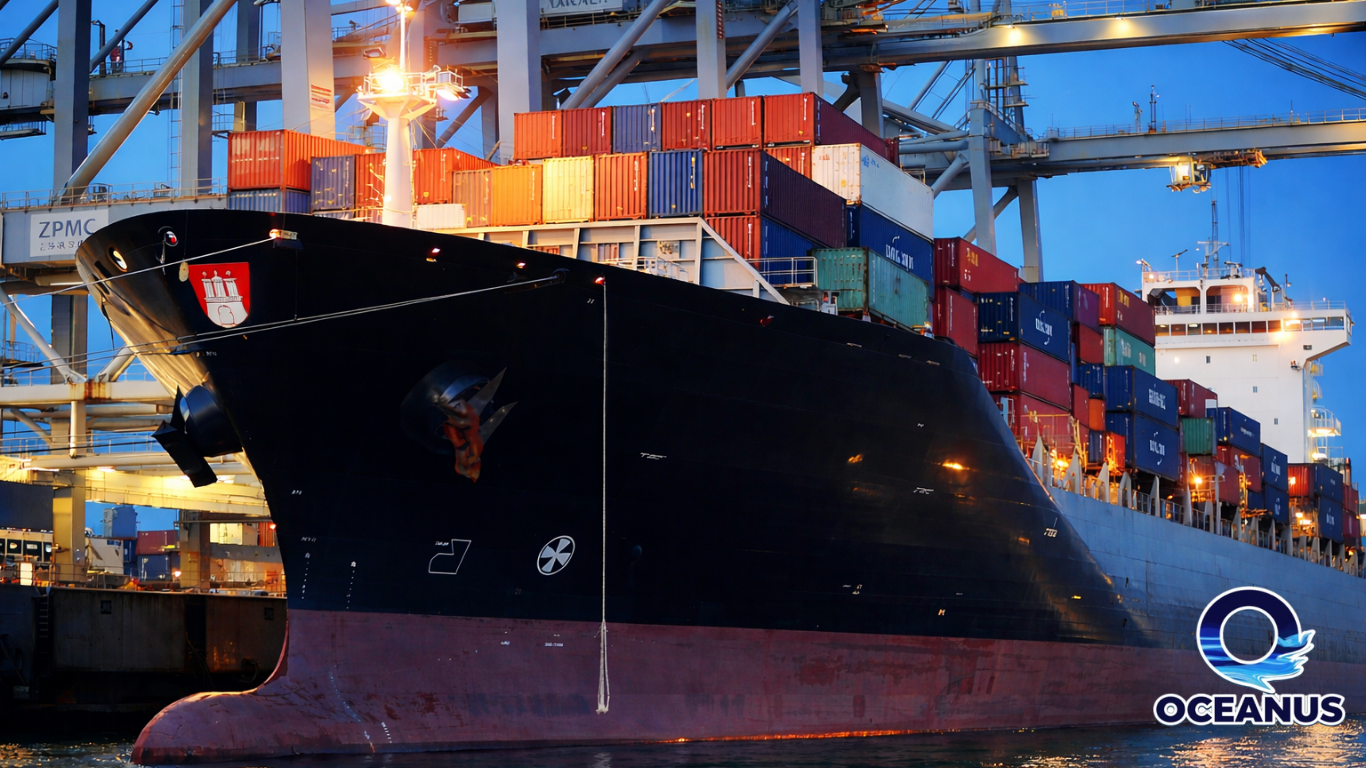
Ballast water has been regulated internationally since 2004, but hull biofouling remains the largest unmanaged pathway for marine IAS transfer. A vessel arriving from tropical ports such as Singapore carries warm-water species on its hull — including niche areas like sea chests, thruster tunnels, and rudder gaps — that would not survive treatment or natural die-off during a short voyage. Both the New Zealand MPI Craft Risk Management Standard (CRMS) and Australia's ABFMR-CV were introduced specifically to address this pathway.
What the Regulations Require
Both NZ MPI and Australia ABFMR-CV standards require vessels to arrive with hull biofouling at or below defined levels across all surfaces — main hull and niche areas included. Key requirements are:
- Main hull: no more than light slime or micro-fouling — hard fouling such as barnacles is not permitted
- Niche areas: sea chests, thruster tunnels, rudder gaps, and shaft brackets must be individually cleaned and documented
- Documentation: a valid Biofouling Management Plan (BMP) and Biofouling Record Book (BRB) must be carried onboard and presented on arrival
Pre-Departure Cleaning in Singapore
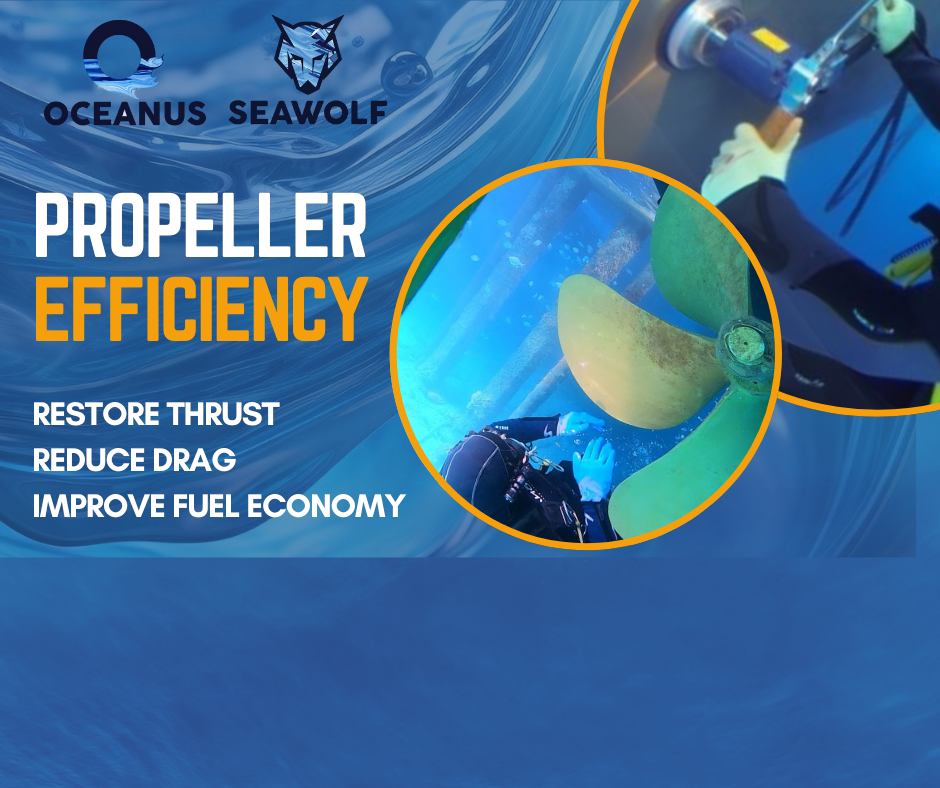
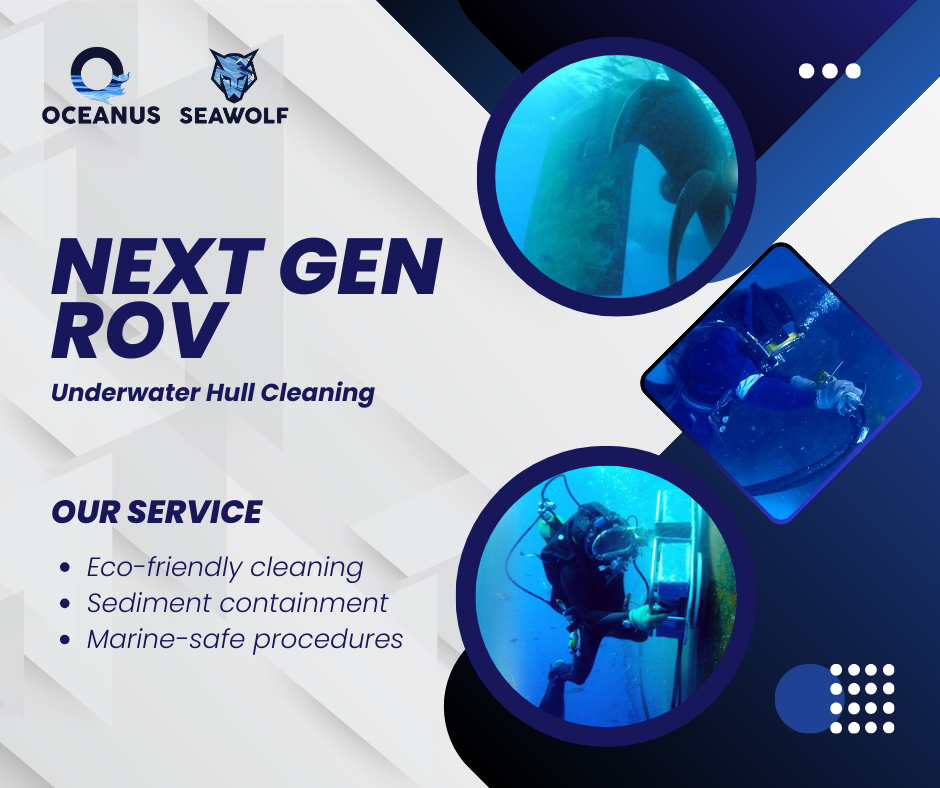
Singapore is geographically positioned as the last practical cleaning port for vessels on the Asia–Pacific–Australia/NZ route. Oceanus Marine provides full NZ MPI and Australia standard hull cleaning covering underwater hull cleaning, sea chest cleaning, thruster tunnel cleaning, and photo and video documentation for BRB compliance — all completed within a single port call by our commercial diving team in Singapore.
📞 Contact Oceanus Marine to arrange NZ or Australia-compliant hull cleaning before your vessel's next voyage.
.png)
.png)
.png)